INTERACTIVE ENGINEERING WORK SAMPLE
Mission
Readiness.
Would you release this spacecraft?
Choose a configuration, challenge the inspection evidence and build a verification plan your reviewer can follow.
About 3 minutes · No timer · Keyboard friendly
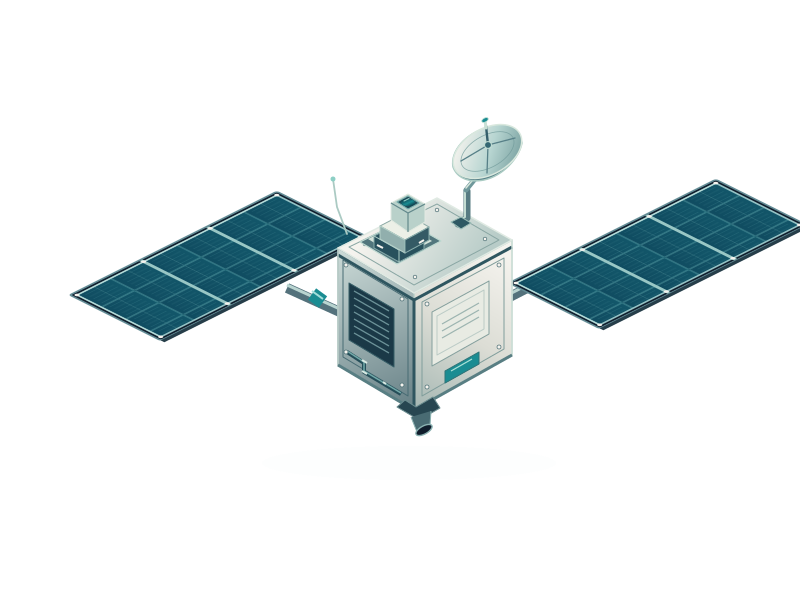
Mass, power, data and interfaces.
A good number can still be bad evidence.
Plan the checks. Record the open actions.
MISSION READINESS / DESIGN REVIEW
Configure the spacecraft
Illustrative portfolio challenge. Values and limits are simplified. Scenario inspection date: 24 October 2026.
YOUR DESIGN BRIEF
Keep the mission inside its limits.
The 12 kg allowance includes a fixed 1.2 kg reserve. Equipment must fit within 10.8 kg. Choose a payload, supporting hardware and any interface adapter.
What is included in the model?
The fixed bus contributes 4.0 kg, 8 W continuous and 12 W peak, and uses CAN. The equipment power figures are allocations: peak demands are assumed simultaneous. Power-module capacity, radio data capacity and interface compatibility are independent checks. Equality with a limit passes.
The standard frame has a fictional vibration record in the scenario. A new lightweight frame requires an additional verification plan. This exercise is not a spacecraft sizing or qualification tool.
EVIDENCE BEFORE ACCEPTANCE
Three records. What is the disposition?
Inspect the limit, measurement and calibration date. A disposition records what should happen next; it does not complete a repair or release hardware.
CONFIGURATION-SPECIFIC COVERAGE
What evidence will your review need?
Select the checks that cover this configuration and its open inspection actions. Selected checks are planned, not performed tests.
WHY THIS WORK SAMPLE EXISTS
Engineering judgement
you can inspect.
The challenge connects quality inspection with systems thinking: measurable criteria, component interfaces, traceable evidence and the actions needed before release.
Mahosha Sandaru Kaballamuru
Aerospace / Mechanical Quality Inspector
BSc (Hons) Aerospace Engineering, 2:1
My portfolio includes lunar simulant materials research and glider tail design and construction. This game explores the same discipline of making a decision and showing its evidence.
Explore the project evidence →Scoring, assumptions and build notes
Scoring: 40 points for five configuration checks, 30 for three inspection dispositions, and up to 30 for verification coverage. An out-of-scope plan item costs 5 points. There is no speed bonus. Revisions are allowed.
The score describes performance in this fictional exercise. It is not a certification or assessment of hiring suitability. Measurement closeout and rework remain open hardware actions even after a good plan is submitted.
Implementation was developed with AI assistance. The small calculation engine is checked by independently supplied acceptance tests; integration and browser behavior are reviewed separately. See engineering notes for test scope and source provenance.